Learn what "No MSG" and "No Preservatives" really mean, what to look for on ingredient labels, and how clean foods make it easier to understand what you're buying.
Summary
When you reach for a jar of pickled vegetables or condiments at the grocery store, understanding what's actually inside matters more than you might think. More shoppers today are paying closer attention to ingredients labels, looking for foods made with simple, recognizable ingredients instead of unnecessary additives. Labels like "No MSG" and "No Preservatives" reflect a commitment to real ingredients and traditional preparation methods rather than flavor enhancers and chemical preservatives. Clean label options like those from Byler Canning Co. prove that bold, delicious flavor can come from quality ingredients and time tested canning techniques.
What "No MSG" Really Means
Monosodium glutamate (MSG) is commonly found in highly processed foods that rely on added flavor enhancers instead of developing flavor from quality ingredients. In many shelf stable products, MSG is used to intensify savory taste, particularly in foods designed for convenience, long distribution, and lower production costs.
For many shoppers, the bigger concern isn't necessarily MSG itself, it's what its presence can suggest about how a product is made. Foods that depend heavily on flavor enhancers are often part of more processed recipes with les emphasis on fresh ingredients, traditional preparation methods, and transparent labeling.
Byler Canning Co. takes a different approach. Every product is made with clean ingredients and traditional small batch canning methods that allow natural flavors to shine. Ingredients like distilled vinegar, fresh garlic, dill, and carefully selected spices create the bold taste people love without relying on MSG or unnecessary additives. When you choose products made with simple ingredients and traditional recipes, you're choosing foods where authentic flavor, not heavily processed shortcuts, is the focus.
The Truth About Artificial Preservatives
Artificial preservatives such as sodium benzoate, potassium sorbate, and sulfites are commonly added to packaged foods to extend shelf life by slowing bacterial growth and oxidation. While these ingredients serve a practical purpose in large scale food production, many consumers prefer to avoid them in favor of foods preserved through more traditional methods, especially since some people may be sensitive to certain preservatives and many shoppers simply appreciate knowing exactly what they're eating.
The widespread use of artificial preservatives in mainstream condiments often correlates with higher sodium content and lower ingredient quality. Manufacturers frequently use these chemicals to compensate for less-than-ideal storage conditions and longer distribution chains. The result is a product that may last for years on the shelf but delivers minimal nutritional benefit and questionable health impact when consumed regularly.
Choosing products made without artificial preservatives can make ingredient labels easier to understand and provide greater confidence in what's going into your food. Traditional canning offers a time-tested alternative, using proper acidity from quality vinegar, balanced brining, and careful heat processing to naturally preserve foods without relying on synthetic chemicals.
At Byler Canning Co., low sodium pickled vegetables are preserved using these proven methods. Distilled vinegar, cane sugar, and carefully controlled canning techniques help keep products safe, fresh, and flavorful for up to three years unopened, while refrigeration after opening helps maintain their best quality for 6-8 weeks.

How Clean Label Ingredients Support Your Wellbeing
Clean label ingredients are those you recognize and might already have in your own kitchen, including real garlic instead of garlic powder blended with additives, fresh dill instead of artificial flavorings, and pure distilled vinegar instead of vinegar containing preservatives. Choosing foods made with simple, recognizable ingredients makes it easier to understand what you're eating while reducing your reliance on highly processed additives. Many consumers appreciate the transparency that comes with shorter ingredient lists and traditional recipes.
Another important consideration is sodium, since many conventional pickled products contain large amounts of salt because sodium functions as both a preservative and a flavor enhancer. Low sodium pickled vegetables that rely on quality produce, balanced acidity, and traditional preparation methods can deliver satisfying flavor while helping consumers moderate their sodium intake. This approach allows you to enjoy bold, tangy taste without depending on excessive salt levels.
Fresh vegetables also retain many of their natural vitamins, minerals, and beneficial plant compounds when preserved using careful canning methods. Rather than simply avoiding unwanted ingredients, clean label foods allows you to enjoy products made with wholesome ingredients that contribute both flavor and quality, giving you a more natural and satisfying way to enjoy preserved foods year-round.
Reading Labels Like a Pro
Learning to read ingredient labels can help you make more informed choices for yourself and your family. Start with the ingredient list, which is organized from the largest ingredient to the smallest. If you notice ingredients such as MSG, or flavor enhancers listed as hydrolyzed vegetable protein, autolyzed yeast extract, or glutamic acid, you'll know the product relies on added flavor enhancement. Likewise, watch for preservatives such as sodium benzoate, potassium sorbate, BHA, BHT, and sulfites. Clean labeled products typically feature shorter ingredients lists filled with familiar ingredients you can easily recognize.
It's also worth checking the Nutrition Facts panel for sodium content, since pickled products can vary significantly from brand to brand. Comparing labels can make a big difference, and choosing low sodium options allows you to enjoy the tangy flavors you love while staying mindful of your overall sodium intake.
Beyond sodium, pay attention to ingredient quality and transparency. Labels that list cane sugar instead of high fructose corn syrup and distilled vinegar instead of vinegar with added preservatives often indicate a stronger commitment to simple, honest ingredients. Companies like Byler Canning Co. make label reading easy, with every jar reflecting the same philosophy of real ingredients, traditional recipes, and transparent labeling.
Simple Swaps That Bring Real Flavor Without Compromise
Building a cleaner pantry doesn't require changing the way you cook. Simply replacing a few everyday condiments and pickled products with clean label alternatives can make a meaningful difference.
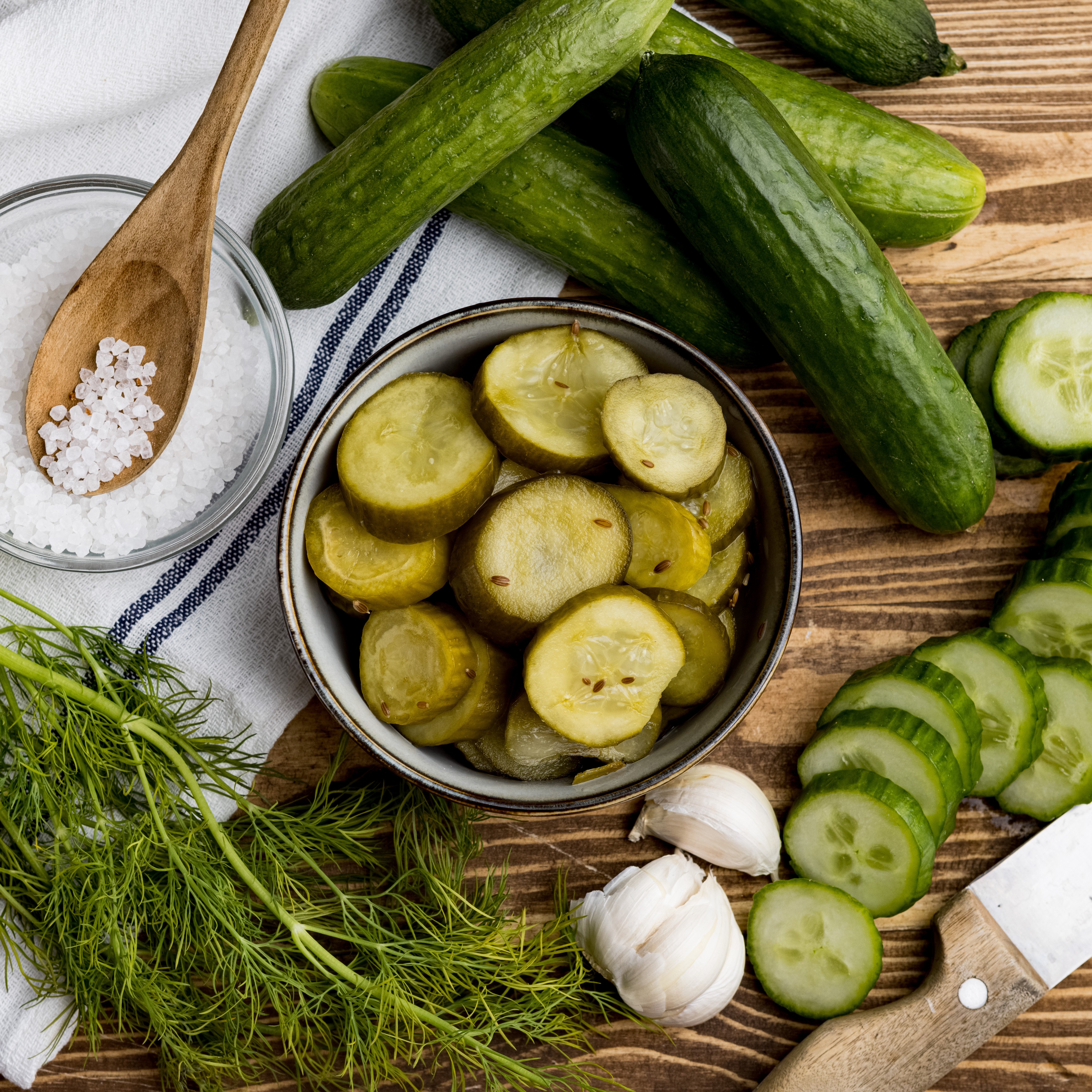
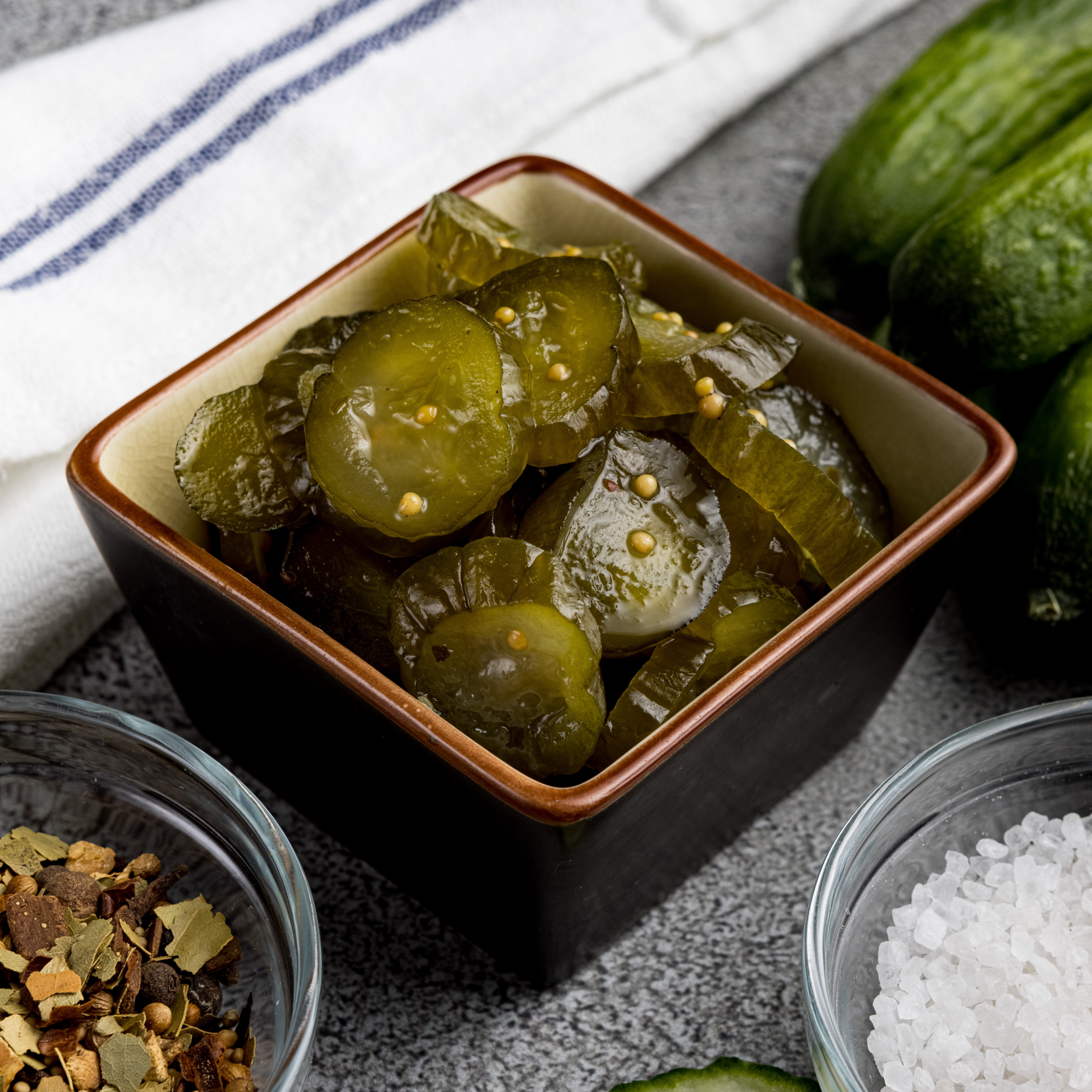
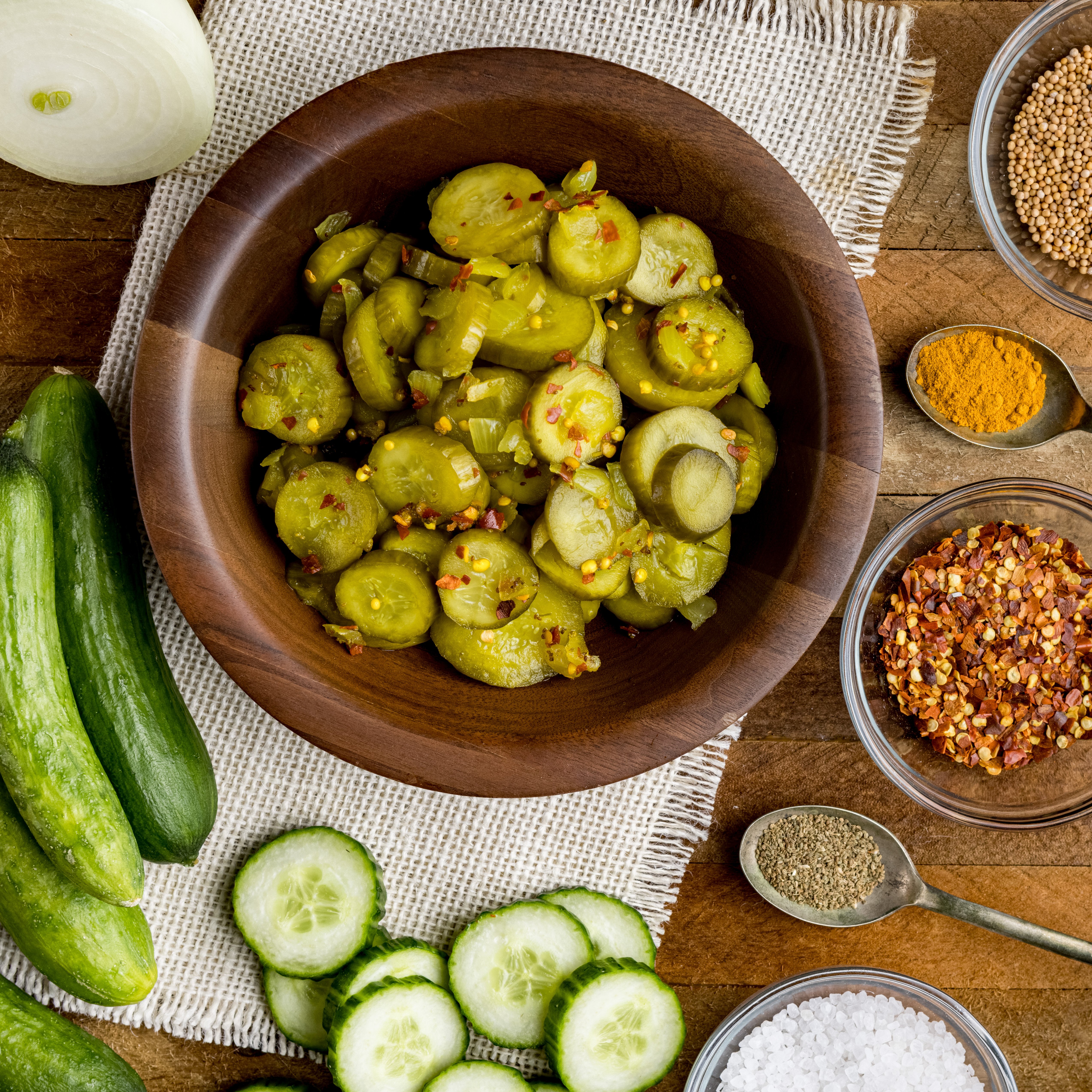
Swap out standard dill pickles that often contain unnecessary additives for Byler Canning Co. Old-Fashioned Dill Pickles, crafted with fresh cucumbers, distilled vinegar, real garlic, and dill oil offer a crisp, savory bite that works perfectly as a snack or on a charcuterie board. For those who enjoy a sweeter profile, Byler Canning Co. Icicle Pickles offer a smooth, balanced taste that pairs perfect with cheese boards and fresh salads. For those who like a bit of heat, Byler Canning Co. Spicy Bread & Butter Pickles deliver a bold, zesty kick from premium spices, offering rich flavor without the use of artificial flavor enhancers.
The best part is that these swaps don't require sacrificing convenience or flavor, you can still enjoy the tangy crunch and bold taste you love on sandwiches, salads, charcuterie boards, or straight from the jar. Byler Canning Co.'s low sodium pickled vegetables prove that traditional small batch canning and real ingredients can deliver exceptional flavor without relying on MSG or artificial preservatives, with every jar ready to enjoy, and making it easy to choose foods that are both wholesome and delicious.
Frequently Asked Questions
QA. What does 'No MSG' really mean on food labels? 'No MSG' means the product does not contain monosodium glutamate, a chemical flavor enhancer used to artificially boost savory taste. Products without MSG rely on real ingredients and traditional preparation methods to develop natural, complex flavors rather than using chemical compounds.
QA. Are all preservatives bad for your health? Not all preservatives are inherently harmful, but traditional preservation methods such as vinegar, salt, and proper canning have been used safely for generations. Some consumers choose to avoid artificial preservatives like sodium benzoate, potassium sorbate, or sulfites because certain individuals may be sensitive to them or simply prefer foods made with simpler ingredients lists.
QA. How do low sodium pickled vegetables still have flavor without added salt? Low sodium pickled vegetables maintain vibrant flavor through quality ingredients, proper acidity balance from vinegar, and traditional brining techniques that allow natural flavors to develop. Using fresh produce, real herbs and spices like garlic and dill, and small-batch preparation methods create depth and complexity that doesn't rely on excessive sodium.
QA. Can pickled foods without preservatives stay fresh as long as conventional versions? Yes, when properly prepared using traditional canning methods with correct acidity levels and heat processing, pickled foods without artificial preservatives remain safe and delicious.
QA. What should I look for on ingredient labels to identify clean products? Look for short ingredient lists with recognizable items you might have in your own kitchen—words like 'cucumbers,' 'distilled vinegar,' 'garlic,' 'dill,' and 'cane sugar' rather than chemical names, and number' Avoid products listing MSG (or its disguises like hydrolyzed vegetable protein), artificial preservatives like sodium benzoate, and excessive sodium content.
QA. Are clean label condiments more expensive than conventional options? While clean label products may have a slightly higher upfront cost, they offer better value through superior flavor, higher quality ingredients, and health benefits that can reduce long-term healthcare costs. Many customers find that products with authentic taste and wholesome ingredients satisfy more fully, meaning you use less per serving and ultimately get better value.
QA. How does traditional canning preserve food without chemicals? Traditional canning combines proper acidity (from vinegar), controlled heat processing, and sealed containers to create an environment where harmful bacteria cannot grow. This time-tested method safely preserves food using physical and natural chemical processes rather than artificial additives, resulting in products that are both wholesome and shelf-stable.