Understanding date labels on your food can help you save money, reduce waste, and enjoy fresh flavors longer while keeping your family safe.
Summary
Every year, billions of pounds of perfectly good food end up in the landfills. Understanding the difference between "Best By" dates and true expiration dates is one of the simplest ways to reduce food waste, save money, and make the most of the quality ingredients you bring into your home. These labels often indicate peak flavor and quality rather than safety, meaning many foods remain perfectly safe and delicious well beyond the printed date when stored properly. By learning what these labels really mean, trusting your senses, and organizing your pantry effectively, you can enjoy fresh flavors longer while keeping your family safe and doing your part to reduce unnecessary waste.
 What Date Labels Really Mean on Your Food
Walking down the grocery aisle, you'll encounter a variety of date labels on food packaging: "Best By," "Use By," "Sell By," and "Expires On." While these labels might seem interchangeable, they actually convey different information about your food's quality and safety. Understanding what manufacturers intend with each label empowers you to make informed decisions about what to keep and what to toss.
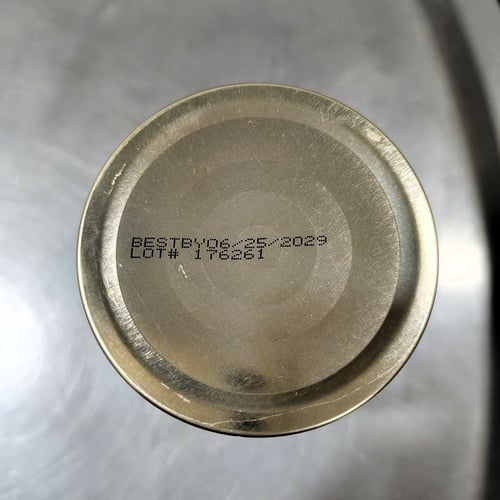
"Best By" dates are quality indicators set by manufacturers to show when a product will be at its peak flavor, texture, and overall eating experience. This date doesn't mean the food suddenly becomes unsafe the day after. Instead, it signals that the vibrant flavors and optimal texture you expect may gradually begin to diminish. For shelf-stable items like canned goods, pickles, relish, and pickled vegetables, the "Best By" date often reflects when the product delivers its most satisfying taste experience.
"Use By" dates are the closest thing to a true expiration date and typically appear on highly perishable items like dairy products, fresh meat, and prepared foods. While still primarily about quality, these dates carry more weight for food safety considerations. "Sell By" dates, on the other hand, are meant for retailers to manage inventory and ensure products are sold while still offering consumers adequate time to use them at home. These dates have little to do with when you should actually consume the product.
It's important to note that most of these date labels are not federally regulated for most foods, with the exception of infant formula. This means manufacturers have considerable flexibility in how they determine and apply these dates. The dates are often conservative estimates designed to guarantee quality under various storage conditions, which means your food may remain delicious and safe considerably longer than indicated when stored properly.
The Difference Between Food Safety and Food Quality Dates
One of the most important distinctions in reducing food waste is understanding that most date labels address quality, not safety. Food quality refers to the sensory experience—the vibrant color, fresh aroma, ideal texture, and peak flavor that make eating enjoyable. Food safety, however, concerns whether a product is free from harmful bacteria or toxins that could make you sick. These are two separate considerations, though they're often confused.
Quality dates like "Best By" indicate when a manufacturer believes their product will deliver the eating experience they intended. For example, pickled vegetables and preserves made with traditional canning methods and quality ingredients can maintain excellent flavor well beyond their "Best By" date when unopened and stored in a cool, dry place. The tangy brightness of a garlic dill product or the sweet-earthy character of pickled beet items may mellow slightly over time, but they remain perfectly safe and enjoyable. The date simply marks the point where the manufacturer guarantees that signature taste you've come to expect.
True safety concerns apply primarily to highly perishable items that require refrigeration—fresh meats, dairy products, prepared salads, and foods with low acidity. These products can develop harmful bacteria when stored improperly or kept too long, even if they still look and smell acceptable. This is where the "Use By" date becomes more critical. For most pantry staples, however, proper storage matters far more than the printed date when it comes to safety.
The key is knowing which category your food falls into. Shelf-stable products processed using proper canning and preservation techniques have natural defenses against spoilage. The vinegar, salt, and sugar used in traditional preserving methods create environments where harmful bacteria cannot thrive. This is why properly sealed jars of pickled vegetables, preserves, and condiments remain safe for extended periods. Understanding this difference helps you confidently evaluate what's truly safe to consume versus what might simply be past its flavor peak.
How Proper Storage Extends Product Life Beyond Printed Dates
The conditions under which you store your food have a profound impact on how long it remains fresh and flavorful, often far exceeding the printed date. Temperature, light exposure, humidity, and air contact all affect the rate at which food quality declines. By optimizing these factors, you can enjoy your favorite foods longer while reducing waste and stretching your grocery budget.
For pantry staples like preserves, pickled vegetables, and condiments, cool, dark, and dry storage is essential. Heat accelerates chemical reactions that degrade flavor and texture, while light can cause color fading and nutrient loss. A pantry away from the stove or any heat-producing appliances maintains more stable temperatures. Unopened jars stored this way can maintain their quality for years—often well beyond the "Best By" date. The natural preservatives in traditionally made products work continuously to protect the contents, and proper storage supports this process.
Once opened, storage requirements change significantly. Most condiments and preserved products benefit from refrigeration after opening, which slows down the natural processes that affect flavor and quality. An opened jar of pickled eggs or pepper mustard, for example, maintains its best flavor when refrigerated and typically stays delicious for eight to twelve weeks. Keeping lids tightly sealed between uses prevents air exposure, which can lead to oxidation and off-flavors. Always use clean utensils when scooping from jars to avoid introducing bacteria that could compromise quality.
Understanding how different storage conditions affect specific foods helps you make smart decisions. Acidic foods like pickled vegetables and vinegar-based products have natural antimicrobial properties that extend their life. Products made with real, quality ingredients and traditional preservation methods often have greater resilience than heavily processed alternatives. The absence of artificial preservatives doesn't mean shorter shelf life when traditional techniques like proper pH balance, salt content, and heat processing are employed correctly. By respecting storage guidelines and creating optimal conditions, you honor the care that went into making these products while maximizing their enjoyment period.
Simple Ways to Organize Your Pantry and Reduce Waste
An organized pantry is one of the most effective tools for reducing food waste. When you can see what you have and access items easily, you're more likely to use products before their quality declines. A few simple organizational strategies can transform your pantry from a chaotic catch-all into an efficient system that helps you enjoy every item you've purchased.
Start by implementing a "first in, first out" rotation system. When you purchase new items, place them behind existing products of the same type, pulling older items forward for easier access. This ensures you naturally use products in the order you acquired them, preventing items from getting pushed to the back and forgotten. Check dates periodically, but focus more on organizing by category and accessibility. Group similar items together—all pickled products in one area, preserves in another, condiments together—so you always know what you have on hand.
Designate a visible spot in your pantry for items that should be used soon. This might include products that are approaching or past their "Best By" date but are still perfectly good, opened items that benefit from being consumed within a certain timeframe, or partial containers. Making these items prominent reminds you to incorporate them into upcoming meals. This simple visual cue can prevent perfectly good food from being overlooked until it's no longer at its best.
Clear containers and labels also help with organization. If you transfer items from their original packaging, label them with the product name and date. For pantry staples you buy regularly, keeping a simple inventory list helps prevent overbuying. You'll know exactly what you have and what you need, reducing the likelihood of duplicate purchases that sit unused. Regular pantry reviews—perhaps monthly or seasonally—give you an opportunity to reassess what you have, identify items to prioritize using, and maintain an organized system that supports both meal planning and waste reduction.
When to Trust Your Senses Over the Date on the Label
Your senses—sight, smell, taste, and touch—are powerful tools for evaluating food quality and safety. For many foods, especially shelf-stable pantry items, your sensory assessment provides more accurate information about actual condition than the printed date. Learning to trust what you see, smell, and taste empowers you to make confident decisions about what's truly still good to eat.
Start with a visual inspection. Look for obvious signs of spoilage like mold growth, significant color changes, cloudiness in previously clear liquids, or bulging lids on jars, which can indicate bacterial activity. For pickled products and preserves, slight color darkening over time is normal and doesn't indicate spoilage—it's simply a natural mellowing that occurs with age. If the seal on a jar is intact and there are no visible signs of mold or unusual particles, the product is likely fine.
Next, evaluate the aroma. Open the container and smell it carefully. Fresh, properly preserved foods should smell pleasant and characteristic of their ingredients. Pickled items should have a clean, tangy vinegar aroma with the expected garlic, dill, or other flavoring notes. Off-putting odors—sour smells in foods that shouldn't be sour, musty notes, or any rotten scents—are clear indicators that something has gone wrong. Trust your instincts; if something smells wrong, it probably is.
For foods that pass the visual and smell tests, a small taste can confirm quality. Take a small amount and evaluate the flavor and texture. Has the product maintained its characteristic taste, or have flavors become dull or developed off-notes? Is the texture as expected, or has it become unpleasantly soft, slimy, or tough? Remember that some subtle changes are normal over time—flavors may mellow, and spices may soften—but the food should still taste good and be enjoyable. If it tastes fine, it is fine. This sensory-based approach, combined with knowledge of proper storage and date label meanings, helps you confidently determine what's truly still delicious and safe, reducing unnecessary waste while maintaining high standards for the foods you serve your family.
Frequently Asked Questions
QA. Is food safe to eat after the "Best By" date has passed? In most cases, yes. "Best By" dates indicate when a product will be at peak quality and flavor, not when it becomes unsafe. Shelf-stable items like canned goods, pickled vegetables, and condiments remain safe well beyond this date when stored properly. Use your senses to evaluate quality, and trust that properly preserved foods maintain their safety long after the printed date.
QA. What's the difference between "Best By," "Use By," and "Sell By" dates? "Best By" dates indicate peak quality and flavor. "Use By" dates appear on highly perishable items and suggest when to consume for best quality and safety. "Sell By" dates are for retailers to manage inventory and don't indicate when you should stop eating the product. Only infant formula expiration dates are federally regulated for safety.
QA. How long can I keep opened jars of pickled vegetables or condiments? Once opened, most pickled vegetables and condiments maintain their best flavor for eight to twelve weeks when refrigerated with the lid tightly sealed. The vinegar and natural preservation methods used in traditionally made products help extend their life. Always use clean utensils to prevent introducing bacteria, and check for any signs of spoilage before using.
QA. Can unopened products last longer than their "Best By" date? Absolutely. Unopened shelf-stable products stored in cool, dark, dry conditions can last months or even years beyond their "Best By" date. Products made with traditional preservation methods like proper canning, adequate acidity, and quality ingredients are especially resilient. The date indicates optimal quality, but safety and enjoyment often extend well beyond it.
QA. How can I tell if a product has actually gone bad? Look for obvious signs like mold, significant discoloration, cloudiness in clear liquids, bulging lids, or broken seals. Smell the product—off-putting, sour, or rotten odors indicate spoilage. If it looks and smells fine, a small taste will confirm whether it's still enjoyable. Trust your senses; they're reliable indicators of food quality.
QA. Does "made with real ingredients" mean products spoil faster? Not necessarily. Products made without artificial preservatives but using traditional preservation methods like proper pH balance, salt, vinegar, and heat processing can have excellent shelf life. Natural preservation techniques have been used for centuries to safely extend food life. Quality ingredients combined with proper processing and storage can actually result in products that maintain their character longer than heavily processed alternatives.
QA. What's the best way to store products to maximize their life? Store unopened products in a cool, dark, dry pantry away from heat sources. Maintain stable temperatures and protect from direct light. Once opened, refrigerate most condiments and pickled products, keep lids tightly sealed, and use clean utensils. Proper storage preserves both quality and safety, allowing you to enjoy products well beyond their printed dates while reducing waste.