
Discover simple ways to bring the tangy flavor and satisfying crunch of pickled vegetables to everyday meals, from fresh salads and sandwiches to hearty dinners and appetizers.
Summary
Pickled vegetables bring tangy flavor, color, and texture to meals far beyond the usual condiment tray. Pickled garlic brightens dressings, asparagus adds a tart bite to omelets and pasta salads, and beets bring earthy sweetness to bowls and sandwiches. Okra pairs well with fried foods, while red onions give tacos and burgers a tangy, colorful finish. Their real appeal is how naturally they fit into the food you already enjoy, adding depth to a noraml supper or another layer of flavor to a table shared with friends.
Why Pickled Vegetables Work in Everyday Cooking
Rich foods often benefit from something tart alongside them. A creamy potato salad, a buttery omelet, or a sandwich piled with slow cooked meat can taste more balanced with the addition of pickled vegetables. The vinegar brings contrast, while the vegetable contributes its own character: garlic's savory flavor, the earthiness of beets, or the onion bite that remains beneath a sweet tart brine.
That distinction matters because pickled vegetables are not interchangeable. Beets belong comfortably with bitter greens and nutty grains, where their sweetness has something to play against. Asparagus suits eggs, mild cheeses, and pasta, while red onions are especially welcome with smoky meat and creamy avocado. Choosing a pairing is less about adding sourness and more about finding flavors that give one another something interesting to work with.
Texture makes these combinations satisfying, too. Tender beets sit well beside toasted nuts and crisp greens: firmer asparagus and onions provide contrast in soft fillings and grain bowls. A meal can feel more complete with those differences, even when the ingredients are familiar. There is plenty of room for home cooking here, with combinations that suit a casserole supper just as easily as a plate of small appetizers.
Pickled Garlic: Dressings, Marinades, and Warm Dishes
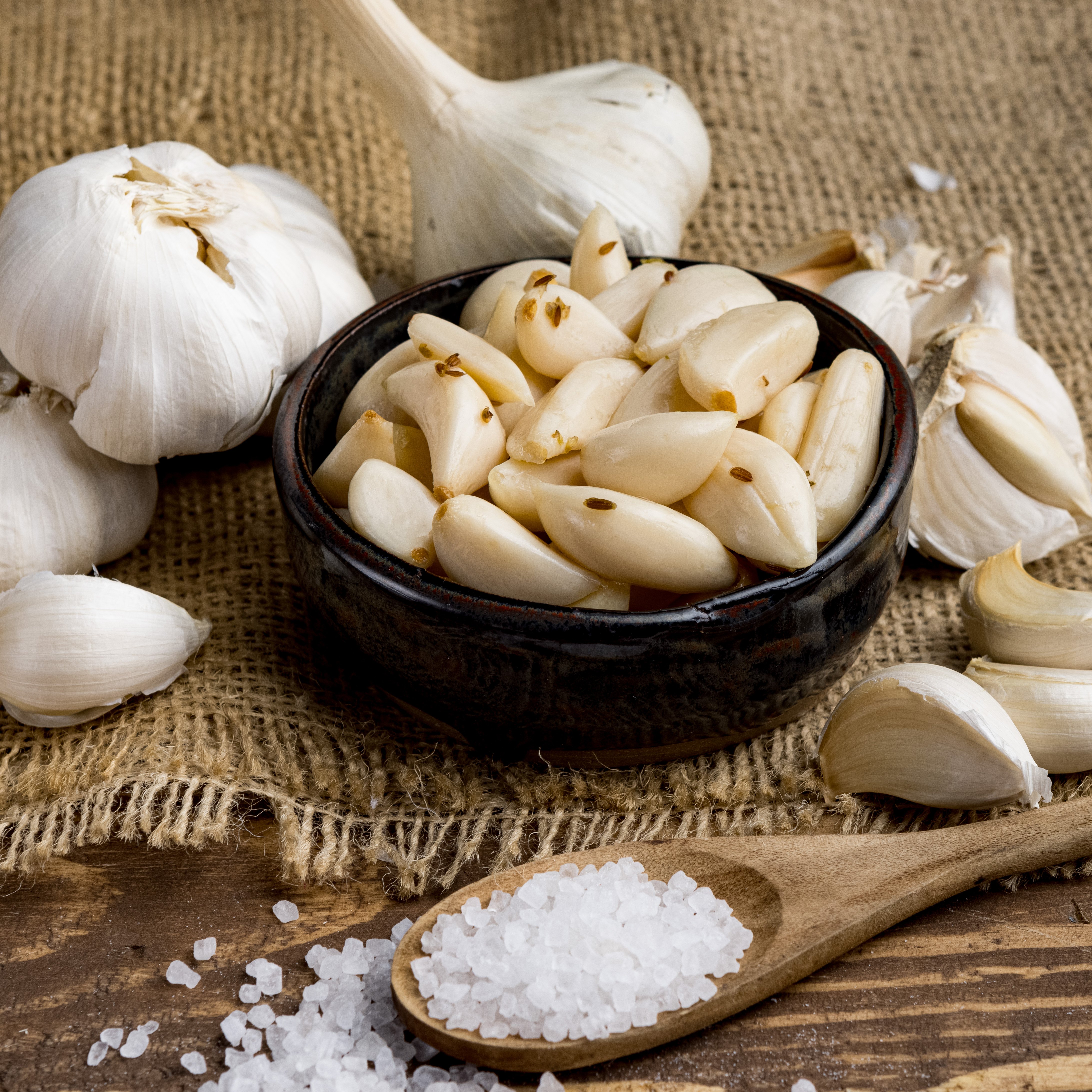
Pickled garlic carries a different character from a freshly cut clove. Its flavor is often mellower, with a tang that becomes part of the dish rather than simply adding garlic heat. That makes it particularly useful in uncooked dressings and spread, where raw garlic can dominate. Olive oil, mustard, parsley, and pickled garlic make a savory dressing suited to white beans, tomatoes, or a warm potato salad.
In a marinade, garlic's tang pairs comfortably with rosemary, thyme, and black pepper. Those flavors suit chicken, pork, and firm vegetables such as cauliflower. The result is a different direction from a sweet barbecue marinade: more herbal and savory, with the pickled flavor providing a tart edge. A garlic and herb dressing alongside the finished meal can carry the same combination onto roasted vegetables or beans.
Pasta gives pickled garlic another home. With olive oil, parsley, Parmesan, and white beans, it adds a little sharpness to an otherwise mellow bowl. Mushrooms bring an earthy counterpoint, while roasted chicken makes the combination hearty enough for supper. The garlic can remain a distinct part of the dish rather than disappearing into a simmered sauce, giving each bite a mixture of savory richness and tang.
Roasted vegetables offer a similar contrast. Browning brings sweetness to carrots and onions and a nutty flavor to cauliflower; pickled garlic brings those flavors into sharper focus. A creamy garlic and herb sauce made with plain yogurt or sour cream adds another layer, especially beside warm potatoes. The same combination works in a roast vegetable sandwich, where the spread ties together bread, browned vegetables, and leafy greens.
For a more substantial salad, pickled garlic can take the place normally given to a sharp vinaigrette. White beans, roasted peppers, parsley, and chopped garlic have enough character to sit beside grilled meat or stand on their own with bread. It is the kind of dish that feels at home on a supper table without needing to be the centerpiece.
Pickled Asparagus: Pasta Salads, Omelets, and Appetizer Plates
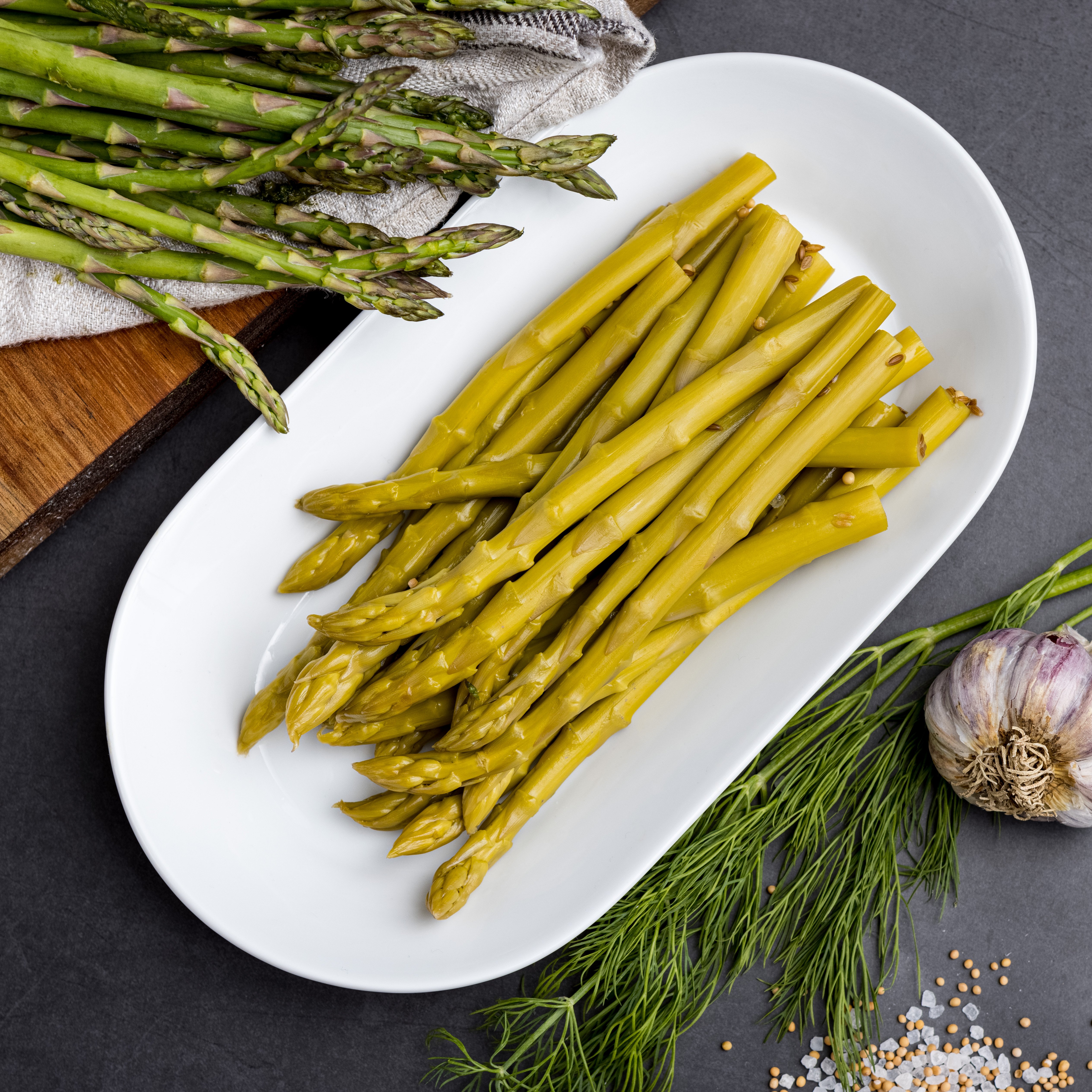
Pickled asparagus brings a vegetable flavor of its own, along with the tartness of the brine. It is especially good with rich, mild ingredients that leave room for the flavor: eggs, soft cheese, white beans, and pasta. In these dishes, asparagus feels like a full ingredient rather than a garnish, contributing both substance and a firmer bite.
In pasta salad, asparagus pairs well with tomatoes, feta, and white beans. The tomatoes bring juicy sweetness, the beans add a creamy texture and the feta gives the whole bowl a savory edge. An herb forward dressing keeps the combination from becoming to heavy. For a different version, pasta with peas, asparagus, and mild cheese offers a gentler balance, with the peas' sweetness softening the tartness.
Eggs bring out another side of pickled asparagus. An omelet with Swiss cheese and chives has a mellow richness that welcomes its tang. Ham lends a salty; savory note, while mushrooms make the filling earthier. These same pairings suit a frittata or a crustless egg bake, giving a familiar breakfast dish enough substance for lunch with a green salad.
On an antipasto plate, asparagus provides a welcome change from the richer meats and cheeses. It pairs comfortably with ham, salami, mozzarella, olives, and roasted peppers, with each combination emphasizing a different part of its flavor. A spear wrapped in ham offers a savory bite; asparagus with soft cheese is milder and creamier. Both belong on a relaxed appetizer plate with bread.
Pickled asparagus also works in a potato salad dressing with mustard and herbs rather than mayonnaise. The potatoes absorb the dressing, while the asparagus keeps its own character. Alongside roast chicken or baked fish, that combination brings something tart and vegetable forward to the plate without competing with the main dish.
Pickled Beets: Grain Bowls, Green Salads, and Sandwiches
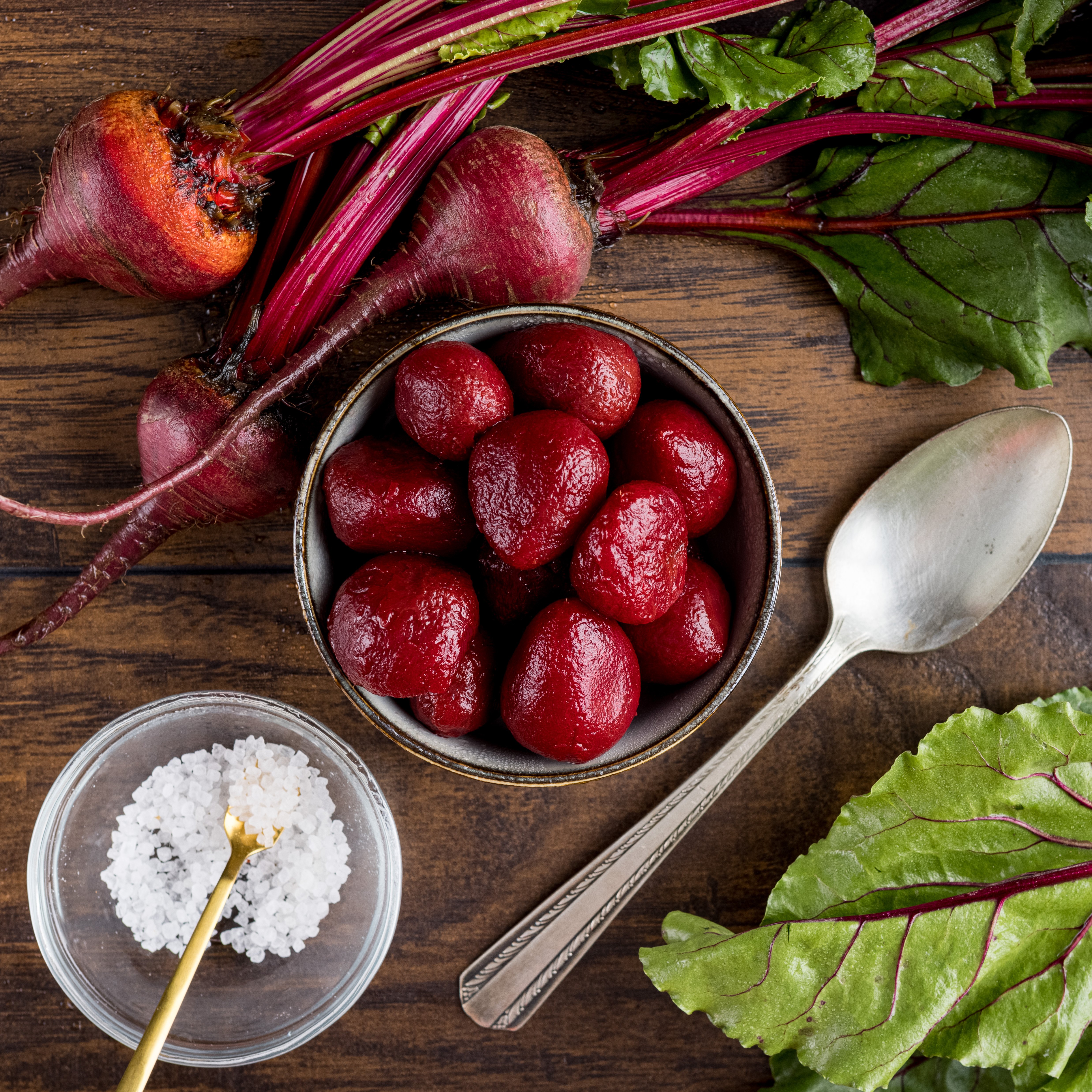
Pickled beets ring earthiness and sweet tart flavor in the same bite. Their sweetness makes them particularly good with peppery greens, salty cheese, and toasted nuts, while their acidity keeps those combinations lively. They can be the main flavor in a salad or a quieter element beside eggs, potatoes, and meat.
A grain bowl with beets, chickpeas, goat cheese, and walnuts has several kinds of richness: creamy cheese, tender beans, and the toasted flavor of the nuts. The beets connect those ingredients with sweetness and tang. Farro or barley gives the bowl a chewy, nutty base, while rice or quinoa leaves more attention on the toppings. Dill and parsley fit naturally into either version.
In a green salad, the choice of green changes the result. Arugula emphasizes the contrast between peppery leaves and sweet tart beets, while romaine makes a milder salad with more crunch. Apple slices bring another kind of sweetness, and toasted walnuts or sunflower seeds give the tender beets a crisp counterpoint. A creamy dressing makes the salad rounder; a mustard dressing keeps it sharper.
Sandwiches offer more possibilities than the usual beet and cheese pairing. Beets with hummus, cucumber, and dill make a satisfying vegetable filling, with the hummus providing a savory base. With roast beef and a little horseradish cream, they bring sweetness and tang to a richer sandwich. Rye bread suits both combinations, adding its own earthy flavor rather than simply holding the filling.
Beets are equally comfortable on a lunch plate with hard boiled eggs, mild cheese, and bread. They can also accompany a warm potato salad with onions and mustard dressing. these are familiar, substantial pairings that let the beet flavor stand on its own, with no need to turn every serving into an elaborate composed salad.
Pickled Okra: Chopped Salads and Fried-Food Pairings
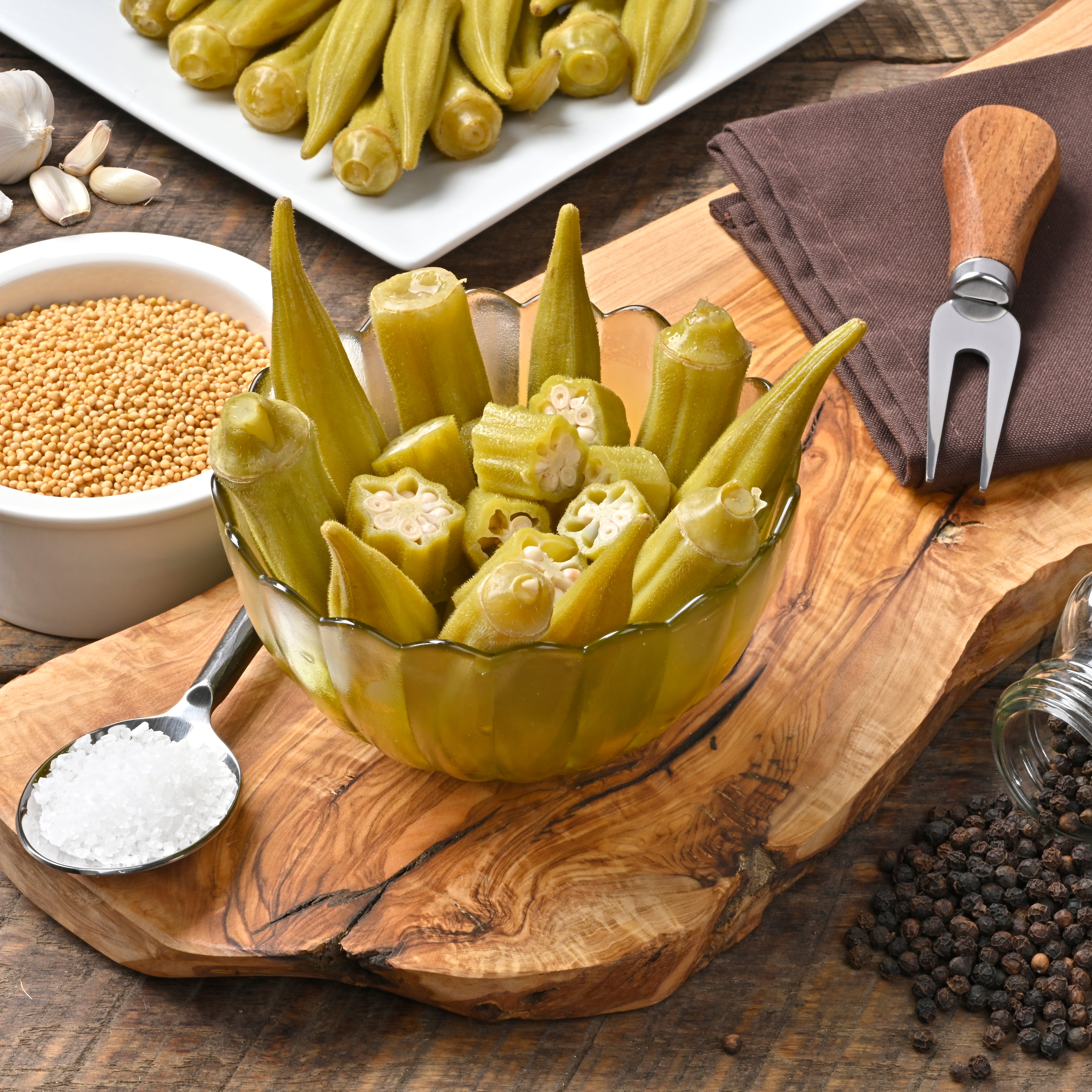
Pickled okra brings a tangy crunch to the kind of food that belongs at a summer cookout or Sunday supper. Its tart flavor balances creamy salads and golden friend favorites, adding a savory bite that holds its own among the richer dishes.
In potato salad, chopped okra works with mustard, celery, and hard boiled eggs. The potatoes and eggs give it a mild, creamy setting, while the celery adds a different kind of crunch. This is a useful pairing for anyone who likes a savory potato salad rather than a sweet one, though the final flavor will depend on the okra's brine.
Bean salads offer another direction. White beans, tomatoes, parsley, and pickled okra make a hearty side with enough flavor to accompany grilled chicken or smoked meat. Black eyed peas, bell pepper, and okra give a similar salad a different character, especially with a mustard dressing. In both, the beans soften the overall impression of the brine while the okra adds contrast.
With fried chicken, a fish, or hush puppies, pickled okra earns its place through the difference between tart vegetables and a rich, browned coating. It is the same reason slaw and pickles feel so comfortable beside a fried fish sandwich. Okra can sit on the side or become part of the sandwich through a mayonnaise and mustard spread, with the chopped herbs adding another savory note.
That same spread adds a little tang to a chicken sandwich or a bowl of potato salad. Whole pickled okra is just as welcome on the side, especially at the cookout with smoky beans and hearty sandwiches. Its crisp bite offers a nice change from the richer dishes on the table.
Pickled Red Onions: Tacos, Burgers, and Grain Bowls
Pickled red onions are particularly useful when a dish has plenty of richness but needs a sharper finish. They keep some of an onion's savory bite, joined by the sweetness and tang of the brine. With avocado, melted cheese, slow cooked meat, or a creamy sauce, that combination adds contrast without relying on heat.
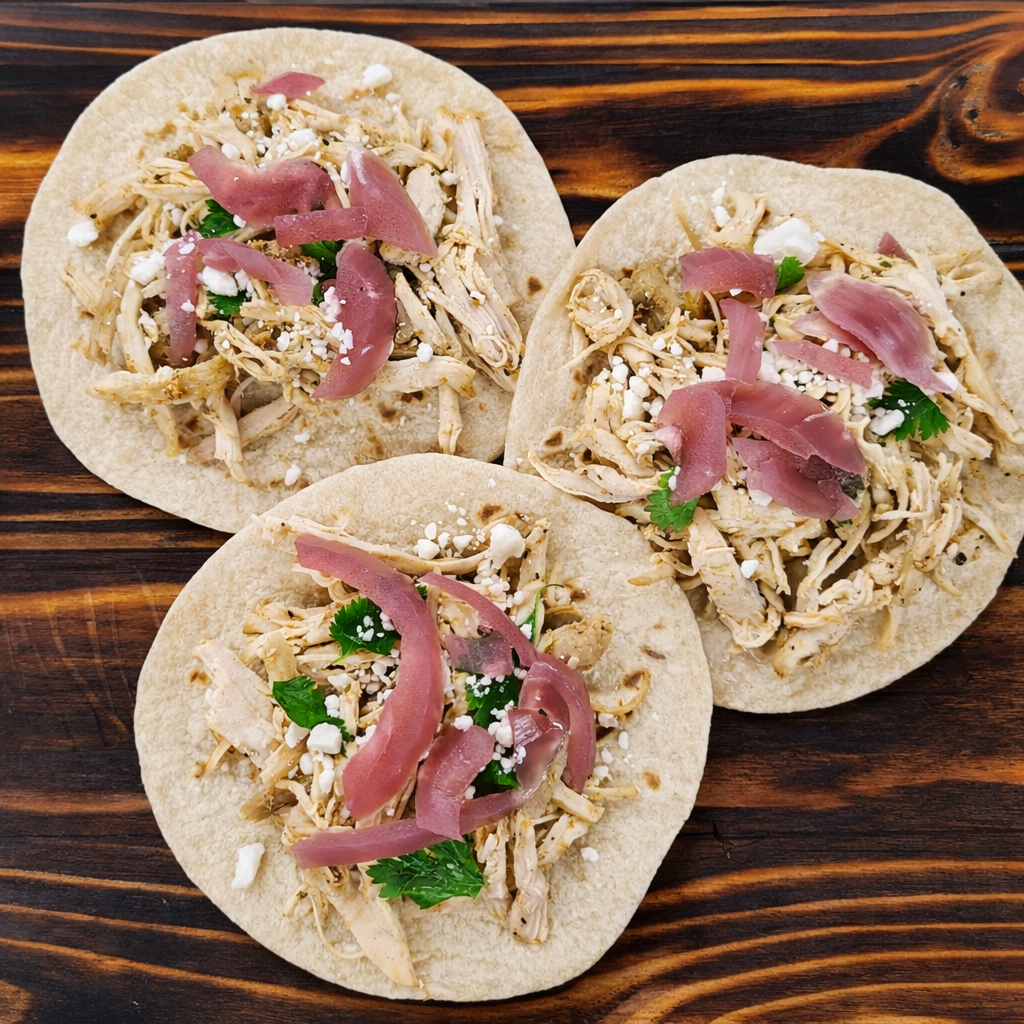
On tacos, onions work with several kinds of filling for different reasons. They bring tartness to rich pork, complement the browned edges of roasted vegetables, and provide a sharper note against mild beans. With fish and avocado, they add both texture and acidity. Cilantro, cabbage, and a creamy sauce can round out the taco without crowding the onion flavor.
Burgers and pulled meat sandwiches make equally good use of them. A cheeseburger has savory meat, melted cheese, and soft bread; pickled onions introduce a firm, tangy element among those rich ingredients. In a pulled pork sandwich, they can sit alongside a sweet barbecue sauce, making the sweetness feel less dominant. They also pair well with roast chicken and a mild herb spread in a wrap.
Grain bowls offer a wider range of contrasts. Roasted sweet potatoes bring sweetness, chickpeas add a nutty flavor, and tahini provides a creamy, slightly bitter dressing. Pickled onions give that combination a tart finish. A bowl of barley, mushrooms, and green takes the pairing in an earthier direction, while rice, black beans, and avocado make a familiar base for a more colorful lunch.
Beyond bowls and sandwiches, pickled onions work with lentil salads, roasted squash, and warm potatoes. They can provide the sharpness usually supplied by a vinaigrette while remaining a distinctive ingredient. That is especially welcome in meals where a heavy dressing would cover the flavors of the vegetables.
Bringing Pickled Vegetables into a Complete Meal
A good jar of pickled vegetables earns its place in the kitchen long before it reaches a relish tray. It can be the reason yesterday's roast becomes a sandwich you look forward to, or a bowl of odds and ends comes together as lunch. Those small additions give familiar food a different flavor without starting supper from scratch.
There's no need to fit every variety into one meal. A favorite pairing or two can become part of your regular cooking, just like the mustard you reach for or the herbs you always keep nearby. Over time, that jar in the refrigerator becomes less of an occasional side and more of an ingredients you're glad to have on hand.
Frequently Asked Questions
QA: Does pickled garlic taste the same as fresh garlic? No, pickled garlic is often mellower and brings acidity as well as garlic flavor. Fresh garlic is the more natural choice when you want a sharp raw bite or the sweetness of garlic cooked into a sauce; pickled garlic suits dressings, spread, and finishing touches where its tang is welcome.
QA: Which pickled vegetables pair well with creamy foods? Pickled asparagus complements eggs and mild cheese, red onions suit avocado and creamy sandwich fillings, and beets pair well with goat cheese or hummus. Okra also works in mayonnaise based potato salad. Each brings a different flavor, so the choice depends on the rest of the meal.
QA: Can pickled vegetables be used in warm dishes? Yes. Pickled garlic suits warm pasta and roasted vegetables, asparagus works in omelets and egg brakes, and onions make a tart topping for warm grain bowls. Brief warming keeps their flavor more distinct, while longer cooking softens their texture and blends them into the dish.
QA: Is pickle brine useful in cooking? Brine from a properly stored jar can contribute acidity and seasonings to dressings or marinades. Its flavor reflects the vegetables, spices, sweetness, and salt in the jar, so it is not always a direct substitute for plain vinegar. Used brine should not be reused for home canning.
QA: How can I balance a strongly pickled flavor? Mild grains, beans, potatoes, and creamy ingredients soften the overall impression of acidity. A beet salad with goat cheese will taste rounder than one with an additional sharp vinaigrette, for example. Sweet, spicy, and strongly seasoned brines each call for a slightly different balance.