Elevate your charcuterie spread with bold, tangy pickled foods that bring vibrant flavor and artisanal quality to every bite.
Summary
Pickled foods are the secret ingredient to creating a truly memorable charcuterie board, bringing bright acidity and bold flavor that perfectly balance rich cheeses and savory meats. Byler Canning Co. offers an impressive selection of artisanal pickled products, including their new Pickled Quail Eggs—available in Garlic Dill, Spicy Garlic Dill, Pickled Red Beet, and Pickled Mustard varieties—that are perfectly portioned for snacking and add visual appeal to any spread. These handcrafted pickled options are made with real, quality ingredients and traditional small-batch methods that deliver authentic, down-home taste without artificial preservatives or MSG. Whether you're hosting a casual gathering or an elegant event, incorporating pickled vegetables and quail eggs adds color, crunch, and complexity that keeps guests coming back for more. With proper pairing and thoughtful selection, pickled foods transform your charcuterie board from ordinary to extraordinary.
Why Pickled Foods Are Essential for Memorable Charcuterie Boards
Creating a charcuterie board that truly stands out requires more than just great cheese and quality meats. Pickled foods play a crucial role in balancing the rich, fatty flavors of charcuterie with bright acidity and tangy complexity. The vinegar-based brine in pickled items cuts through the heaviness of aged cheeses and cured meats, cleansing the palate between bites and allowing guests to enjoy more of your carefully curated spread without flavor fatigue.
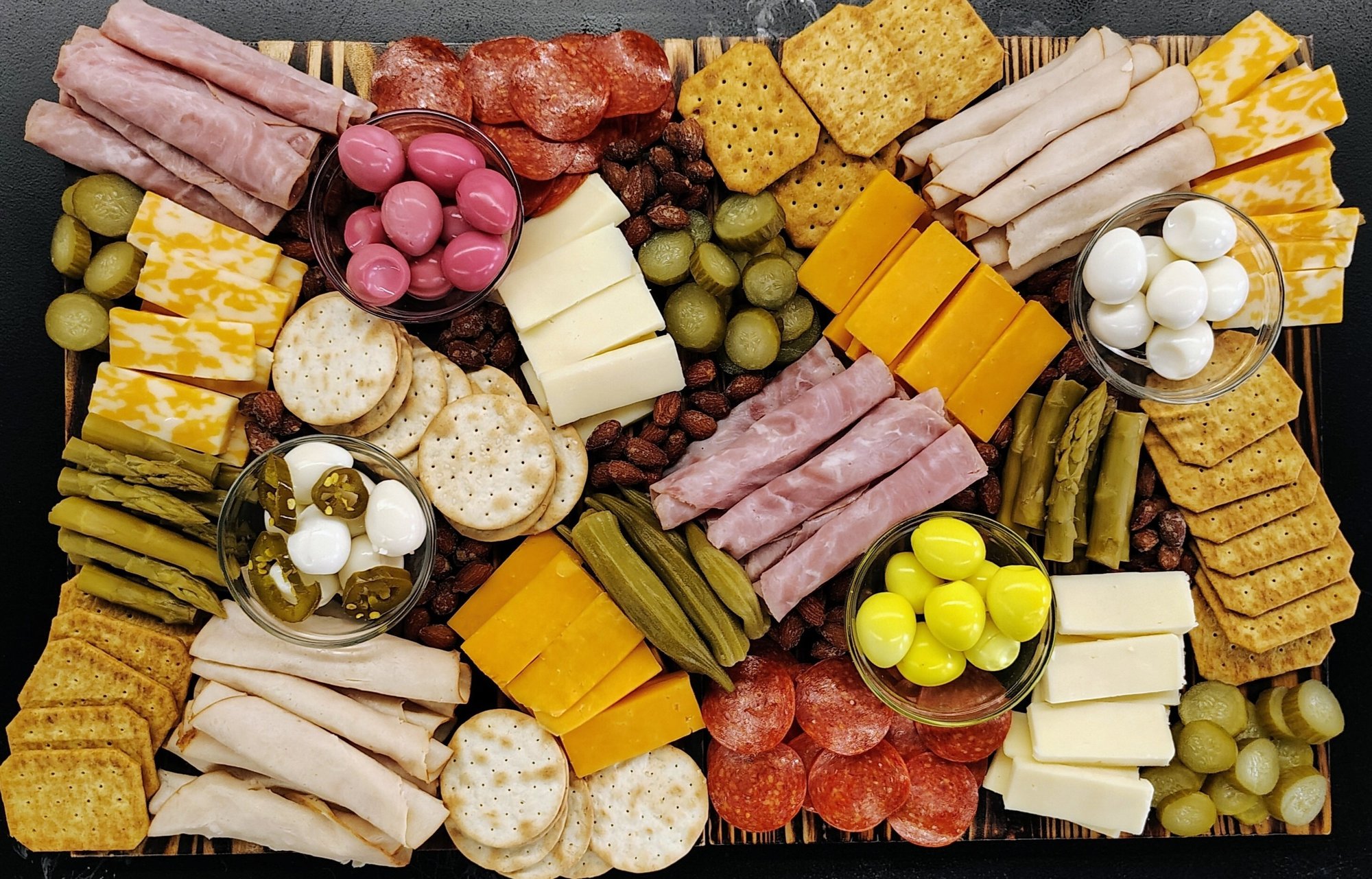
Beyond their functional purpose, pickled foods add vibrant color and visual interest to your presentation. The deep purple hue of pickled beets, the golden glow of mustard-brined eggs, and the bright green of dill-infused vegetables create an eye-catching display that invites guests to explore. This visual appeal is just as important as taste when it comes to creating a charcuterie board that people remember.
Pickled foods also offer textural variety that elevates the entire eating experience. Crisp pickled vegetables provide a satisfying crunch that contrasts beautifully with creamy cheeses and tender meats. The firm yet yielding texture of pickled quail eggs adds another dimension, making each bite more interesting and engaging. When you include a thoughtful selection of pickled items from Byler Canning Co., you're not just adding garnishes—you're creating a complete sensory experience that showcases your attention to detail and commitment to quality ingredients.
Pickled Quail Eggs: The Flavorful Star of Your Spread
Byler Canning Co.'s new Pickled Quail Eggs are quickly becoming a favorite addition to charcuterie boards, and for good reason. These bite-sized treasures are perfectly portioned for snacking, eliminating the need for guests to cut or portion their own servings. Each variety is brined using traditional methods with real, wholesome ingredients, delivering authentic flavor that artificial preservatives simply can't match.
The Garlic Dill Quail Eggs offer a classic flavor profile with tangy vinegar, bold garlic, and the bright freshness of dill oil. This savory combination pairs beautifully with sharp cheeses and smoky cured meats, providing a familiar yet elevated taste that appeals to a wide range of palates. For those who crave a little heat, the Spicy Garlic Dill Quail Eggs bring a zesty kick with capsicum extract that adds excitement without overpowering the other elements on your board.
The Pickled Red Beet Quail Eggs are a showstopper, featuring a naturally sweet beet brine made with cane sugar and rich beet juice. Their vibrant color creates stunning visual contrast on your board, while the sweet-tart, earthy flavor complements both mild and aged cheeses. The Pickled Mustard Quail Eggs round out the collection with a tangy, subtly spiced profile enhanced by turmeric for warm, savory depth. This variety works especially well with charcuterie, as the mustard notes echo traditional condiments while offering a more refined, sophisticated presentation.
What makes these quail eggs truly special is their versatility. They can be enjoyed straight from the jar, added to salads, paired with sandwiches, or featured as the centerpiece of your charcuterie board. Made with quality ingredients you can taste and proudly produced without artificial additives or MSG, Byler Canning Co.'s Pickled Quail Eggs deliver the clean, authentic flavor that health-conscious consumers appreciate. Each 16.5-ounce jar provides plenty of eggs for entertaining, and their impressive shelf life means you can stock up without worry.
Classic Pickled Vegetables That Add Color and Crunch
While pickled quail eggs may be the star, classic pickled vegetables are the supporting cast that brings your charcuterie board to life with color, texture, and familiar flavors. Pickled cucumbers, whether in spear, chip, or whole form, provide satisfying crunch and a bright, acidic counterpoint to rich cheeses. Their crisp texture and straightforward dill or garlic flavor profiles make them universally appealing and easy to pair with nearly any charcuterie selection.
Pickled beets deserve special mention for their earthy sweetness and stunning color. Their deep purple hue adds dramatic visual contrast, while their sweet-tart flavor profile pairs beautifully with goat cheese, blue cheese, and cured meats. Pickled green beans, often flavored with dill and garlic, provide a fresh, garden-inspired element that reminds guests of wholesome, farm-fresh ingredients. When selecting pickled vegetables from Byler Canning Co., you're choosing products made with traditional small-batch methods that preserve authentic flavor and natural color without relying on artificial ingredients or excessive sodium. This commitment to quality ingredients ensures that every pickled vegetable on your board delivers the vibrant, clean taste that makes charcuterie truly memorable.
Pairing Pickled Foods with Cheese and Charcuterie
Understanding how to pair pickled foods with specific cheeses and meats elevates your charcuterie board from a simple snack platter to a thoughtfully curated tasting experience. Tangy pickled items like Garlic Dill Quail Eggs work exceptionally well with creamy, mild cheeses such as brie or fresh mozzarella. The bright acidity cuts through the richness, while the garlic and dill enhance rather than overwhelm the delicate cheese flavors. These same eggs pair beautifully with smoky or herb-crusted charcuterie, creating a harmonious balance of savory notes.
For aged, sharp cheeses like cheddar or aged gouda, consider sweet-tart pickled options like the Pickled Red Beet Quail Eggs. The natural sweetness from the beet brine and cane sugar complements the nutty, complex flavors of aged cheeses while the acidity prevents the pairing from becoming too heavy. These eggs also work wonderfully with fatty meats like salami or pancetta, where the sweet-tart profile provides refreshing contrast.
Spicy pickled foods, such as the Spicy Garlic Dill Quail Eggs, shine when paired with bold, pungent cheeses like blue cheese or aged manchego. The heat in the pickled eggs stands up to these assertive cheese flavors, creating an exciting interplay that adventurous eaters will love. Spicy pickled items also complement spicy charcuterie like chorizo or peppered salami, doubling down on heat while the vinegar brine keeps the palate refreshed.
The Pickled Mustard Quail Eggs offer versatility that works across the board. Their subtle spice and warm turmeric notes pair exceptionally well with Swiss cheese, gruyere, or any cheese with a slightly sweet, nutty character. They're also a natural match for traditional charcuterie like prosciutto or coppa, as the mustard notes echo classic European flavor pairings. When arranging your board, place pickled items strategically near their ideal cheese and meat pairings, making it easy for guests to discover these thoughtful combinations while still encouraging creative exploration.
Creating Balance with Sweet, Tangy, and Savory Pickled Options
The key to a truly exceptional charcuterie board lies in achieving flavor balance through careful selection of sweet, tangy, and savory pickled elements. This balance ensures that every guest finds something appealing while preventing flavor fatigue from dominating tastes. Start by mapping out your pickled selections across these three flavor categories, ensuring representation from each group.
For savory depth, incorporate options like Garlic Dill Quail Eggs and traditional pickled cucumbers. These items provide familiar, comfort-food flavors that ground the more adventurous elements of your board. The bold garlic and herbaceous dill notes in these pickled foods complement charcuterie's natural salinity while adding complexity. Savory pickled items also serve as a reliable starting point for guests who may be less familiar with pickled foods, offering approachable flavors that build confidence for further exploration.
Sweet pickled options, such as the Pickled Red Beet Quail Eggs, introduce a different dynamic that prevents the board from becoming too one-note. The natural sweetness from beet juice and cane sugar provides relief from salty, fatty flavors while still maintaining the essential acidity that makes pickled foods so effective on charcuterie boards. Sweet pickled vegetables like bread-and-butter pickles or pickled peppers can also fill this role, adding pops of sweetness that surprise and delight the palate.
Tangy pickled foods with bright, acidic profiles serve as palate cleansers that allow guests to fully appreciate each element of your board. The Pickled Mustard Quail Eggs, with their vinegar-forward brine and subtle spice, excel in this role. Their clean, sharp flavor cuts through richness and prepares the taste buds for the next bite. When arranging your board, distribute these three flavor profiles throughout rather than grouping them together. This encourages guests to naturally alternate between sweet, tangy, and savory bites, creating a more dynamic and satisfying eating experience.
Remember that balance extends beyond flavor to include visual presentation and portion sizes. Byler Canning Co.'s Pickled Quail Eggs are perfectly sized for this purpose—each egg represents a complete, satisfying bite that doesn't require cutting or additional preparation. This convenience, combined with the variety of flavor profiles available, makes them an ideal foundation for building a balanced charcuterie board. Whether you choose one variety or offer all four, these handcrafted pickled eggs deliver the authentic taste and quality ingredients that transform a good charcuterie board into a great one.
Frequently Asked Questions
QA. How many pickled items should I include on a charcuterie board? A well-balanced charcuterie board typically includes three to five different pickled items. This provides variety without overwhelming the other components. Consider including at least one pickled vegetable and one pickled egg option, then add additional items based on your guest count and board size. For a standard board serving 6-8 people, two varieties of Byler Canning Co.'s Pickled Quail Eggs plus one or two pickled vegetables creates an appealing, balanced selection.
QA. How long do pickled quail eggs last after opening? Byler Canning Co.'s Pickled Quail Eggs maintain their best flavor when refrigerated and consumed within 8-12 weeks after opening. Unopened, they last up to three years on the shelf, making them an excellent pantry staple for spontaneous entertaining. Always refrigerate after opening and ensure eggs remain submerged in the brine to preserve quality and flavor.
QA. Can I prepare my charcuterie board in advance with pickled foods? Yes! Pickled foods are ideal for advance preparation because they don't oxidize or deteriorate quickly like fresh fruits and vegetables. You can arrange your entire charcuterie board, including pickled items, up to 2-3 hours before serving. Keep the board covered and refrigerated until about 30 minutes before guests arrive, then let it come to room temperature for optimal flavor and cheese texture.
QA. What's the best way to serve pickled quail eggs on a charcuterie board? Pickled quail eggs can be served whole or halved, depending on your presentation preference. Whole eggs are easiest for guests to grab and eat, while halved eggs showcase the beautiful yolk and create visual interest. Arrange them in small clusters near complementary cheeses and meats, and provide small picks or forks nearby for easy serving. If offering multiple varieties, label each one so guests can identify their preferred flavors.
QA. Do pickled foods need to be refrigerated when displayed on a charcuterie board? Pickled foods are safe at room temperature for the typical duration of a gathering (2-3 hours) due to their acidic, preserved nature. However, for best flavor and food safety practices, keep your charcuterie board refrigerated until shortly before serving. If your event extends beyond a few hours, especially in warm weather, consider refreshing the board or returning it to refrigeration periodically.
QA. What makes Byler Canning Co.'s pickled products different from store-bought options? Byler Canning Co. uses traditional small-batch canning methods with real, quality ingredients and no artificial preservatives or MSG. This approach delivers authentic, down-home flavor with clean ingredients that health-conscious consumers appreciate. The pickled products are made with fresh farm ingredients, proper vinegar brining, and time-honored recipes that result in superior taste and texture compared to mass-produced alternatives. This commitment to quality means every jar delivers vibrant flavor that truly elevates your charcuterie board.
QA. Can I order Byler Canning Co.'s Pickled Quail Eggs online? Yes! Byler Canning Co. offers convenient online ordering with fast fulfillment. Orders placed before 2 pm EST Monday through Friday ship the same day, while orders placed after 2 pm or on weekends and holidays ship the next business day. Most orders arrive within 3-4 days after shipping. For questions or assistance, contact customer service by phone Monday through Friday during business hours.